
The Hidden Power of Dandelions: Why This “Weed” Is Actually Medicine

Updated: Mar 9
We need to protect these 'weeds' they want us to use round up on.
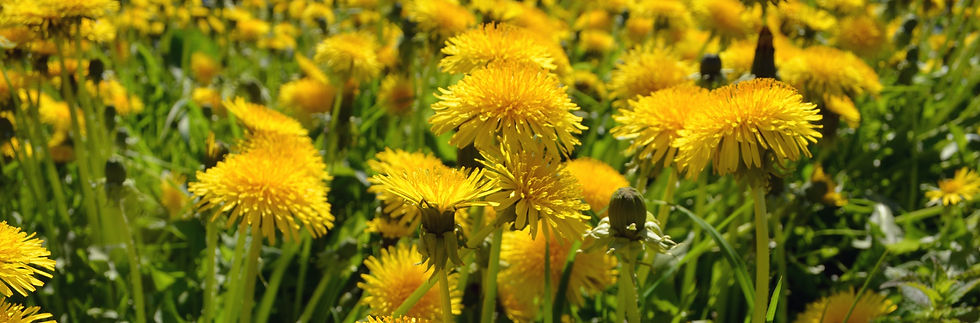
Dandelions offer many health benefits and every part of them are edible!

From the flower all the way down to the roots, dandelions are remarkable plants that can offer a multitude of health benefits.
Benefits of the Dandelion
Nutritional
The entire dandelion plant is edible, making it a versatile addition to the diet. The leaves, which can be harvested in spring, are rich in vitamins A, C, and K, as well as several B vitamins. They also provide essential minerals such as iron, calcium, magnesium, and potassium. Consuming dandelion greens can contribute to overall health by supporting immune function, promoting healthy skin, and aiding in the maintenance of strong bones.
Health
The flowers of the dandelion, often seen blooming in vibrant yellow, are not only visually appealing but also beneficial. They can be used to make dandelion wine or infused into oils for topical use. Rich in antioxidants, the petals may help reduce oxidative stress in the body, which is linked to various chronic diseases. Additionally, dandelion flowers have been traditionally used to support liver health and promote detoxification processes.
Hidden Treasure
Beneath the surface, the roots of the dandelion plant are equally valuable. They are often dried and ground to create a caffeine-free coffee substitute or herbal tea. Dandelion root is known for its potential to aid digestion and improve liver function. It contains inulin, a type of prebiotic fibre that supports gut health by promoting the growth of beneficial bacteria. Furthermore, dandelion root is believed to have diuretic properties, which can help the body eliminate excess fluid and reduce bloating.
Where, when and how to harvest
Where
Best to pick in clean areas away from lawns or places with plenty of chemicals.
When
Early to mid spring before they bloom (flowers and leaves).
Late autumn or early winter (roots).
Leaves/Greens: best picked young, only small leaves (under 6 inches) in early spring before the flower bud appears for the best flavour and least bitterness. They become more bitter as the season progresses.
Flowers: Harvest in spring (March to May) when they are fully open and bright yellow. They are sweetest early in the season and should be used immediately after picking.
Roots: For the best flavour, harvest in late autumn or early winter after the first frost, or in early spring before new growth begins. Roots are easier to pull and contain more stored nutrients during these times.
How

Simply pick by hand. You can dry out the flowers or teas later in the year or consume immediately and dry the roots to grind into a fine powder.
Best to dry them with plenty of airflow, like a mesh screen.
Store in air tight glass jars to keep fresh for longer.
Supplies
Dandelion leaves, flowers, and roots (pick by hand)
Optional: Mason Genie - depends on the type of jars you use to store your dandelions
Why do Dandelions matter?
There are many reasons to love the dandelion. In many places, the dandelion is the first flower for the bees to collect pollen from.
Dandelions have restorative powers and are known to aid in digestive disorders, skin issues, detoxing the body and inflammation. With modern day tinctures, capsules, and teas; it makes adding the benefits of dandelions into every day life easier.
There are affiliate links in this blog. If you buy something through the link, I will earn a small commission.
Disclaimer: The information provided is for educational and informational purposes only and is not intended to diagnose, treat, cure, or prevent any disease. Statements regarding any remedies I share have not been evaluated by the FDA. Always consult a licensed healthcare professional before beginning any herbal or dietary program. Never disregard professional medical advice or delay seeking it because of information found here.



Comments